Define the backpack before choosing a production route
A search for a custom backpack manufacturer is more useful when you can explain the product behind the search. Describe the intended customer, the journey they make and the belongings they carry. A work backpack may need convenient access to documents, while a leisure design may prioritize a flexible main compartment. List the items that must fit, including their actual shapes and dimensions. This gives a development team something practical to assess instead of asking them to interpret a style photograph as a complete specification.
Separate essential features from preferences that can change during development. Identify the carrying format, opening, pocket arrangement and overall appearance that define the product. Then explain where alternative materials or simpler construction could be considered. If you start from a reference model, mark which details you want to retain and which you want to change. A reference is a discussion tool; it does not establish available inventory, approved specifications or permission to reproduce another brand’s protected artwork. Keep your own design and branding requirements clear.
Clarify the sourcing partner’s responsibilities
Working through a China sourcing partner involves agreeing who translates the brief into production instructions, who gathers material options and who manages sample feedback. STARDOTS, JINJIANG STARDOTS CO., LTD., is based in Jinjiang, Fujian, China, and coordinates bag development and production with partner factories. For a specific project, discuss the proposed production arrangement and points of contact. Ask how questions from the production partner will reach you and who will maintain the current specification when design decisions change during development.
Use the enquiry to establish responsibilities as well as product requirements. Share the destination, expected order quantity, intended sales channel and preferred delivery window, identifying anything still undecided. Ask what information is needed for a useful quotation and which assumptions remain open. Sampling scope, charges, inspection arrangements and shipping responsibilities should be discussed explicitly. A clear division of work helps you compare proposals on the same basis and avoids treating a general sourcing conversation as confirmation that every requested service is included.
Turn the brief into a construction and material plan
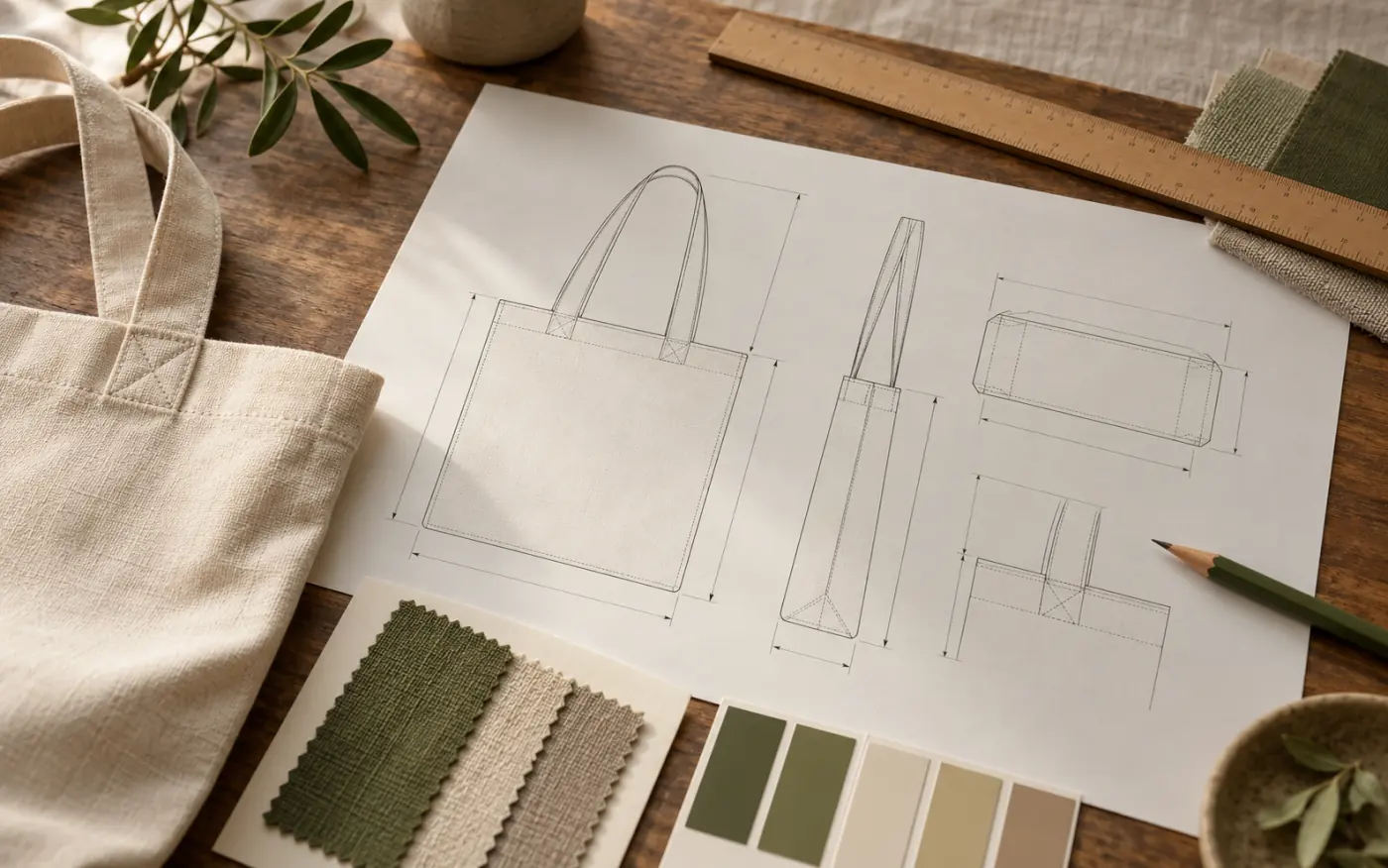
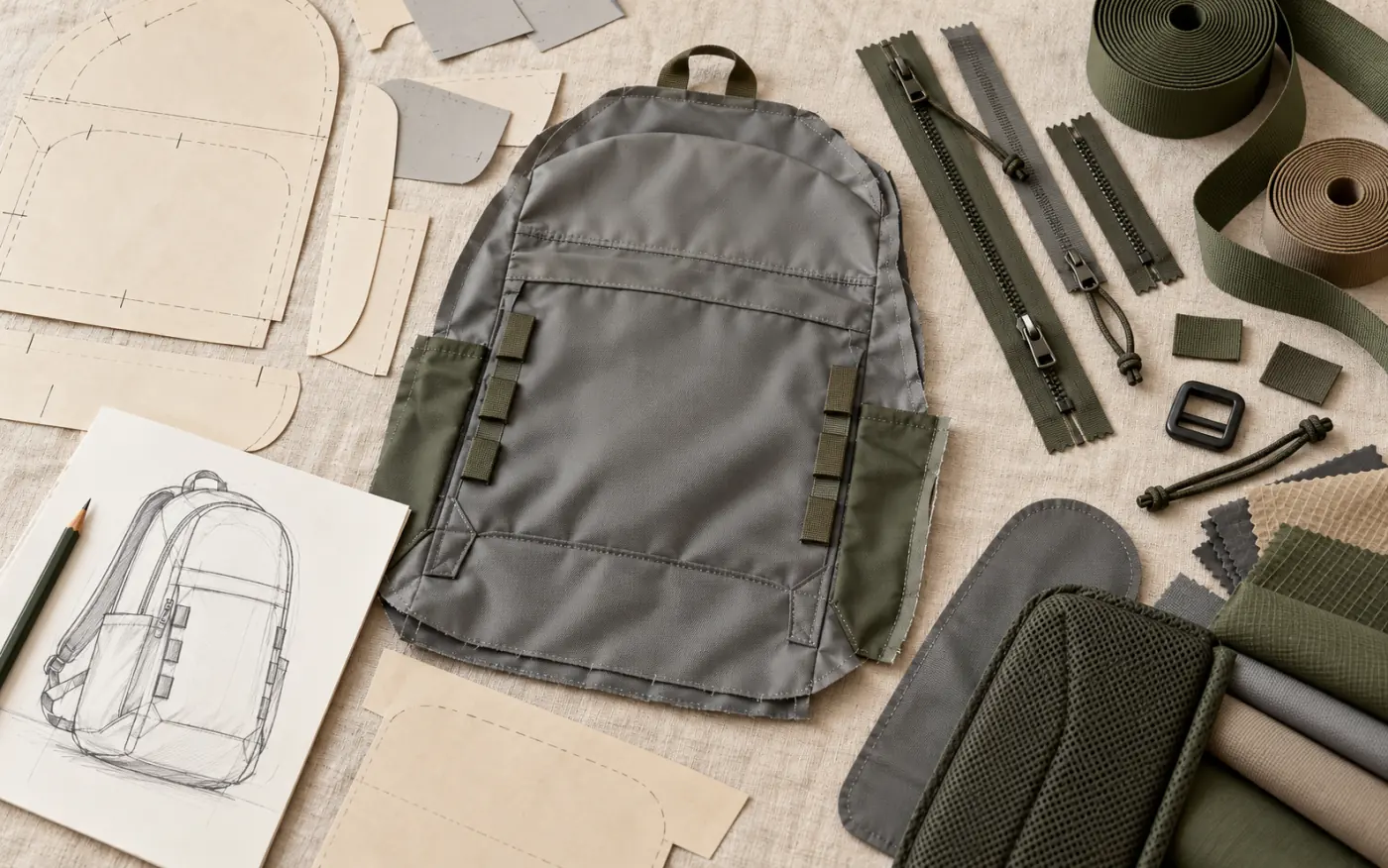
Prepare front, back, side and interior views that show how the backpack is intended to work. Mark measurement points, pocket openings, strap adjustment and the position of any device compartment. Distinguish external dimensions from usable internal space, since padding, lining and seams affect what fits. Explain how the bag will be carried and where the expected load sits. Ask the development team to identify construction questions before sampling, particularly around strap anchors, handle attachments, zipper paths and transitions between different materials.
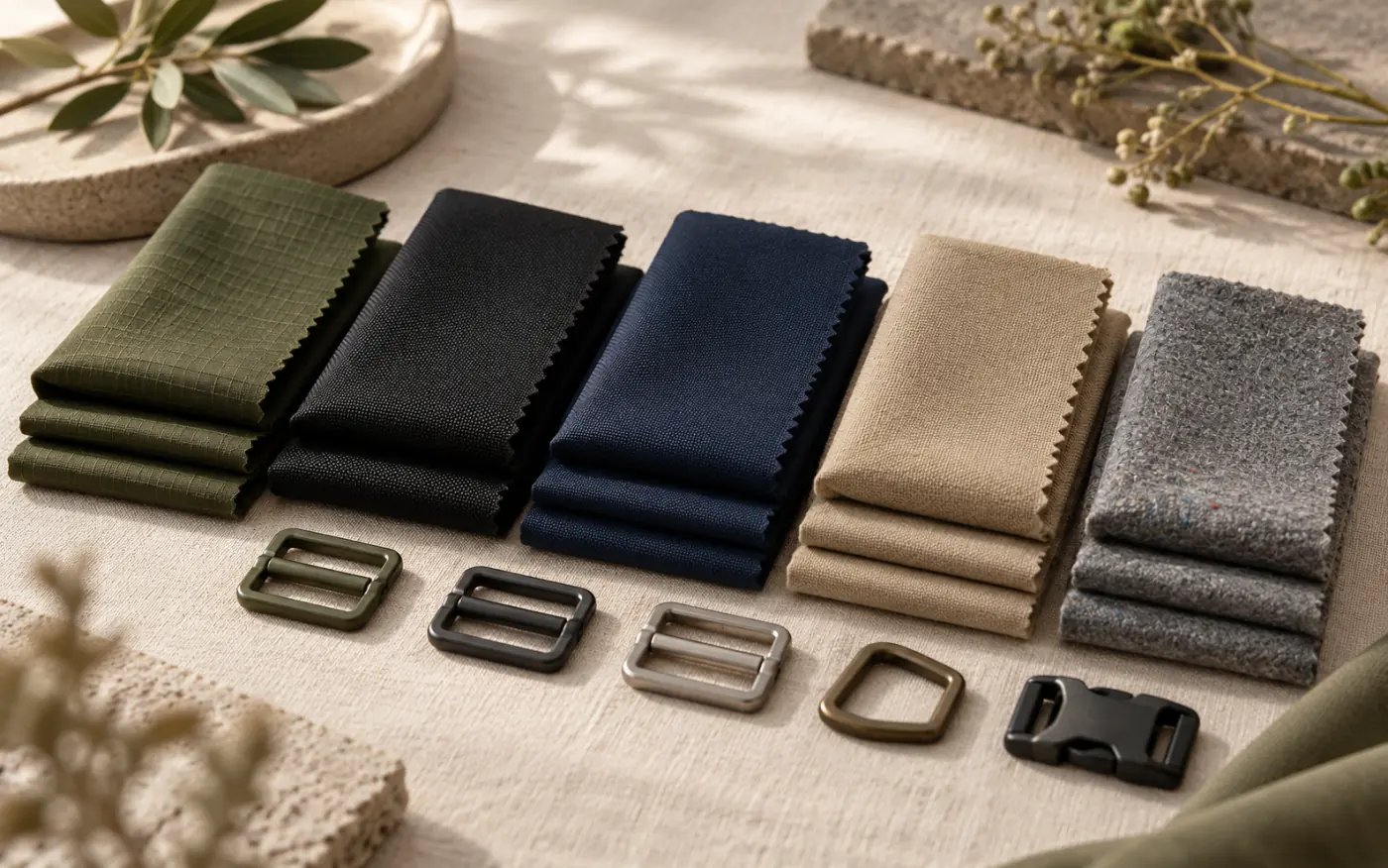
Review the outer fabric alongside the lining, padding, reinforcement, webbing, closures and hardware. A fabric swatch cannot show how the finished backpack will hold its shape or feel on the shoulder. Request options that address your priorities and ask why each is proposed. Review branding on the actual surface, including whether decoration must happen before panels are assembled. Record any temporary sample substitutions so they cannot be mistaken for approved bulk materials. Ask your buyer which standards or tests apply, including chemical or labeling requirements in the destination market.
Review the sample as a working product
Create a sample review sheet before the sample arrives. Start with the approved brief, then assess appearance, dimensions, contents fit, opening access and carrying comfort. Put representative belongings inside and try the adjustments that a customer would use. Check whether a full pocket blocks another opening, whether the lining catches in the zipper and whether the handle remains accessible when the bag is packed. These observations reveal interactions that separate component approvals cannot resolve. Record the conditions of your review rather than making broad performance claims.
Photograph each requested change and describe the desired outcome in plain language. Instead of writing that the backpack feels wrong, identify whether the body collapses, the shoulder straps sit awkwardly or the opening restricts access. Consolidate comments from buying, design and merchandising into a single revision list with clear priorities. Ask which changes require another physical sample and which can be documented otherwise. Keep unresolved items visible; an attractive sample should not be treated as full approval while its material, fit or construction questions remain unanswered.
Align approval, quotation and bulk instructions
Before authorizing bulk production, bring the approved sample and written specification into agreement. Confirm materials, colors, dimensions, tolerances, artwork, labels and packaging, and identify the approved revision of each document. If the sample differs from the final specification, resolve the difference explicitly rather than relying on a verbal explanation. Agree how any later change will be proposed and approved. This creates a practical reference for production and inspection and reduces the chance that an outdated drawing or sample becomes the working instruction.
Review the quotation against that same version of the product. Check what is included in the product price, how development or tooling charges are treated and which delivery responsibilities are assumed. Ask what could affect the schedule, such as material availability, pending approvals or production arrangements. Discuss inspection stages and reporting before production begins, with attention to details that become difficult to see after assembly. Packaging should also be settled here, including protection for straps and hardware, product identification and the receiving requirements of your distribution channel.
Manage production questions and the delivery handover
During production, keep decisions in a shared written record. If a material, trim or construction change is proposed, ask how it affects appearance, function, the quotation and the approved schedule before accepting it. Request evidence that relates to the agreed inspection scope, such as identifiable photographs and findings linked to the specification. A progress photograph can show a production stage, but it does not establish that the whole order has passed inspection. Agree who reviews findings and who decides whether corrective work or another check is needed.
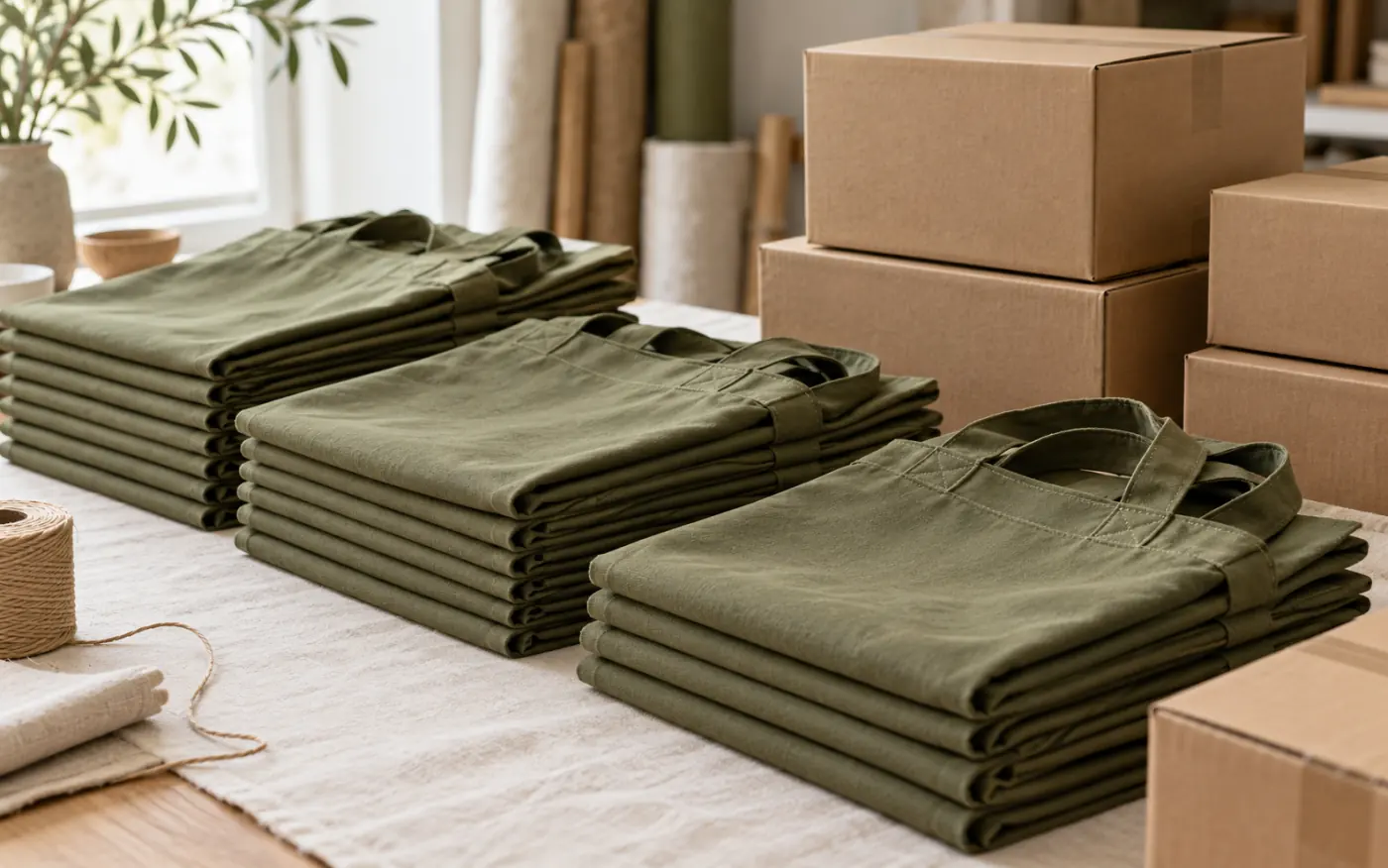
Prepare the shipment handover around the actual destination and order details. Confirm packing instructions, carton identification, required documents and the agreed delivery terms with the responsible parties. Keep production completion separate from the arrival date when planning your launch. On receipt, record any discrepancies against the approved product and packing information so they can be discussed with useful evidence. The strongest starting point for a repeat order is a maintained specification and a clear record of approved changes, rather than assuming that everyone remembers the previous development conversation.
Buyer checklist
Bring these points into the first project discussion.
- Describe the customer, carrying routine and items that must fit.
- Mark essential features and acceptable alternatives on the reference.
- Agree development responsibilities with the sourcing partner.
- Review materials, comfort and access on the physical sample.
- Align the approved sample, specification, quotation and packing instructions.
- Confirm inspection scope and delivery responsibilities before production.
Common points to watch
- Treating a reference model as stock or an approved specification.
- Approving appearance while fit and carrying issues remain open.
- Allowing sample substitutions to become unapproved bulk materials.
- Confusing production progress photographs with inspection results.
Frequently Asked Questions
Can I start with a reference backpack instead of a technical pack?+
Yes. Provide clear views, intended contents and notes showing which features to keep or change. Dimensions, materials and construction details still need to be defined before a meaningful production quotation and sample approval.
What should I approve before bulk production?+
Align the physical sample with the written materials, measurements, artwork, construction and packing instructions. Resolve sample substitutions and open revisions, then agree inspection scope and commercial terms for the project.
Does STARDOTS manufacture backpacks in its own facility?+
STARDOTS is a sourcing partner that coordinates development and production with partner factories. Production responsibilities and the inspection arrangement are discussed for each order.
Ready to discuss your collection?
Tell us what you need and we will help define the next step.
Request a Quote